Thinking about a quieter East Bay town where weekends feel unhurried but you can still reach Oakland and San Francisco when you need to? If you value residential streets, open space, and a small-town rhythm, Moraga often checks a lot of boxes. In this guide, you’ll get a clear picture of daily life here, from housing and commute realities to schools, parks, and practical considerations. Let’s dive in.
Moraga at a glance
Moraga is a small, primarily residential town tucked in the inner East Bay hills between Lafayette and Orinda. You feel the difference as soon as you arrive. Evenings are calmer than busier hubs like Walnut Creek, and many neighborhoods sit near open space or along gentle ridgelines.
The town draws families with school-age children, professionals who commute to Bay Area job centers, and anyone seeking a suburban setting with room to breathe. Saint Mary’s College adds a collegiate backdrop and occasional public events, while most of the town remains low to medium density. Homeownership rates are high, and the housing stock is dominated by single-family homes.
Housing and neighborhoods
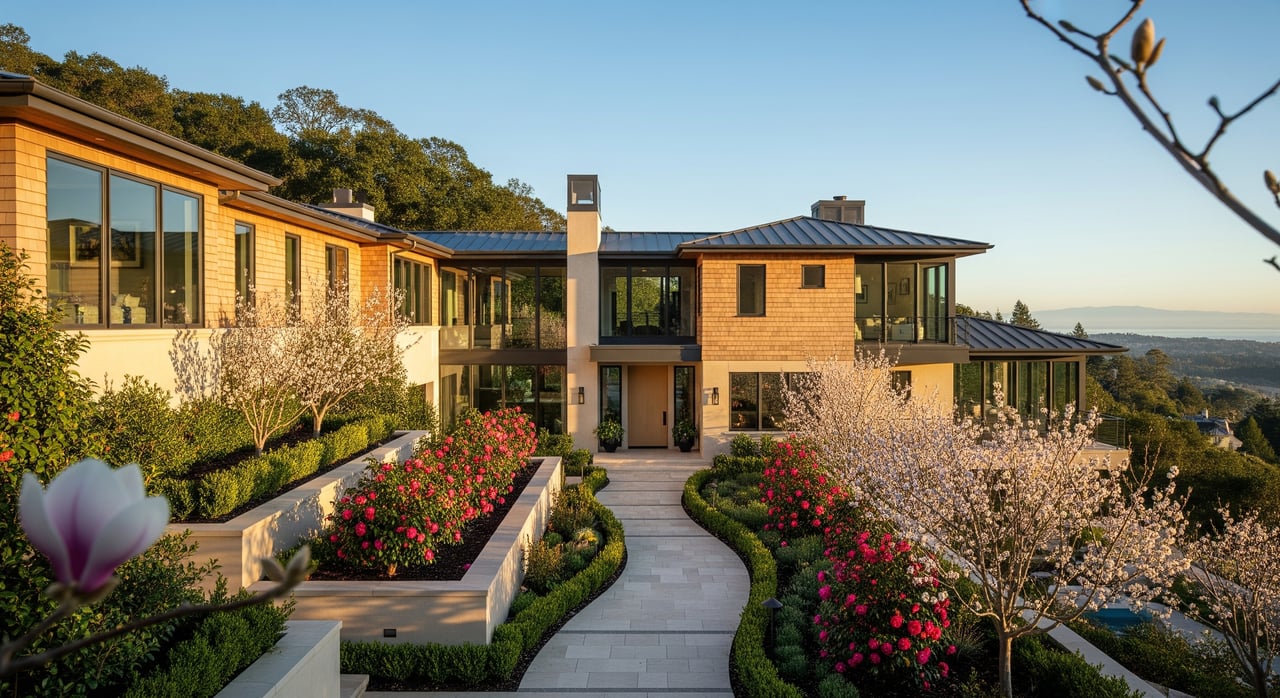
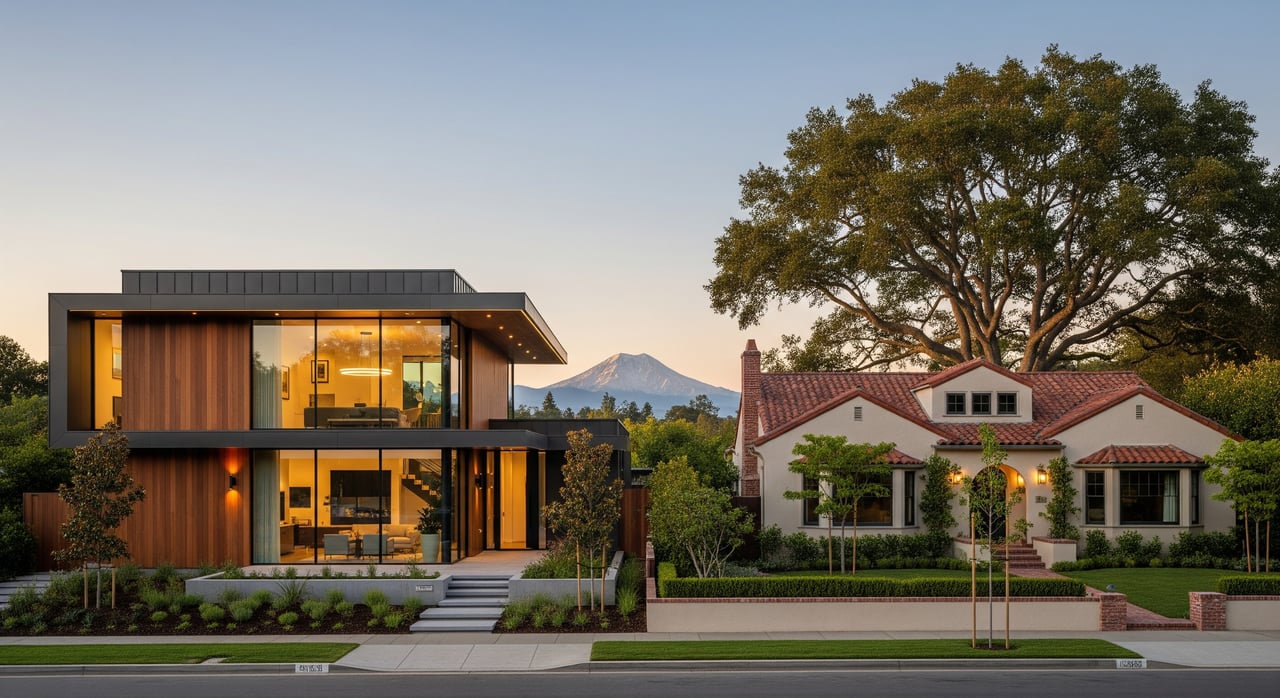
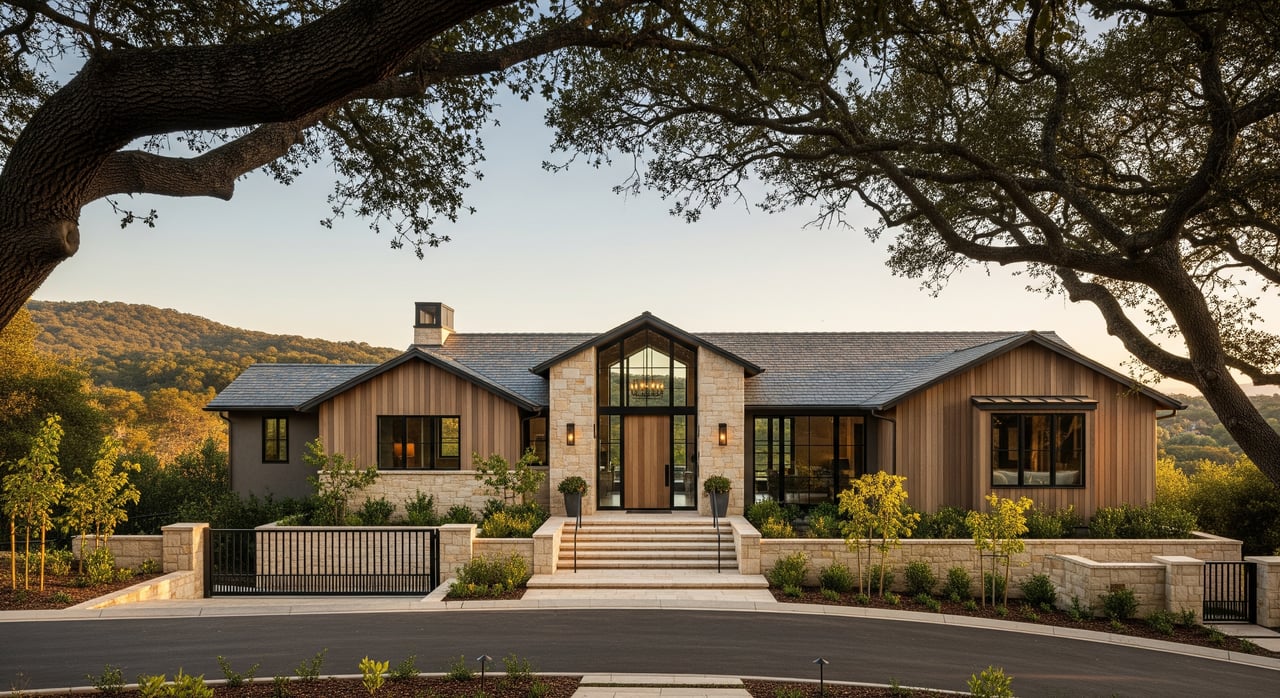
You’ll find mostly single-family homes on varied lots, with styles that lean mid-century ranch, traditional California and Mediterranean influences, and a steady stream of remodels. There are smaller pockets of townhomes and apartments, though the overall feel is not dense.
Popular subareas include:
- Central Moraga and the Rheem area, close to grocery options, coffee, and services.
- Neighborhoods near Saint Mary’s College, where campus events and activity add energy.
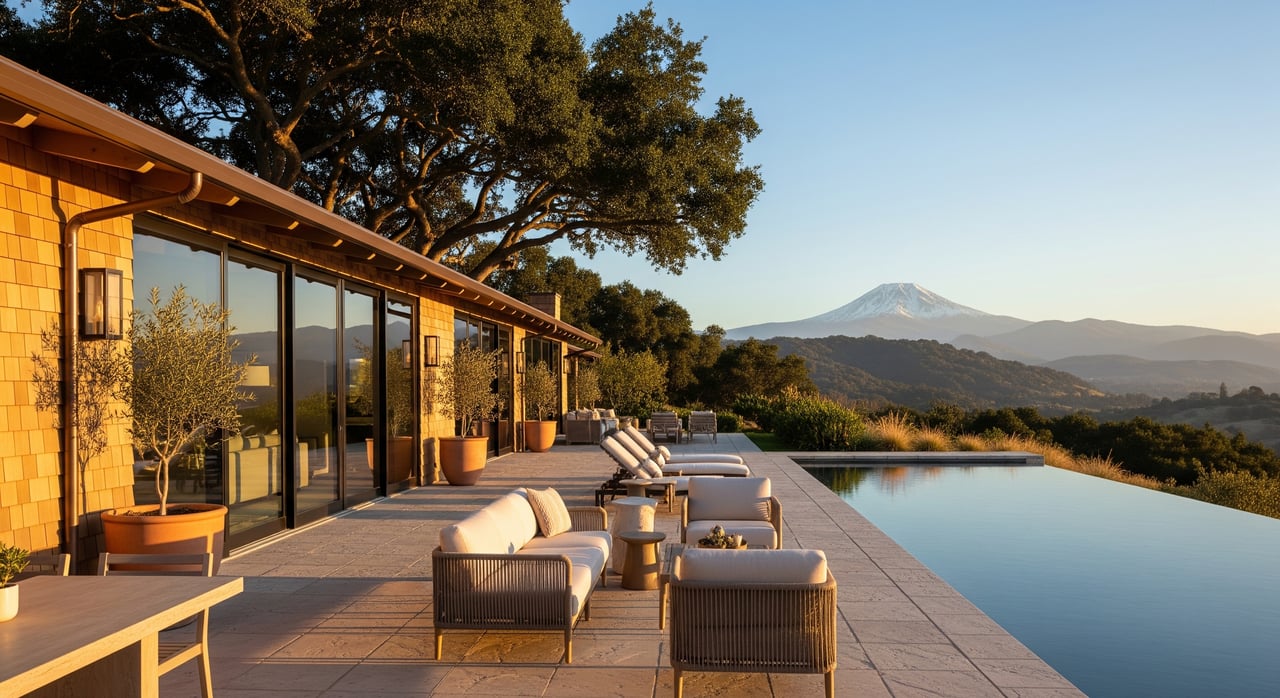
- Hillside enclaves with views and larger lots, often with older homes that have been updated.
- Streets adjacent to the Lafayette–Moraga Regional Trail, convenient for daily walks and bike rides.
Inventory tends to be tight because the town is small and mostly single-family. That can create competition for well-presented homes. Expect pricing above national averages and in the higher range for Contra Costa County. If you are moving from farther inland, plan for a higher per-square-foot cost.
Buyer checklist for older and hillside homes:
- Confirm lot slope, drainage, and any retaining walls.
- Review roof, foundation, and structural history.
- Verify sewer connection or septic system specifics where applicable.
- Consider seismic retrofits and local building-code compliance.
- Understand vegetation management requirements near open space.
Commute and transportation
Moraga does not have a BART station inside town. The closest stations are in Lafayette and Orinda, typically a 10 to 20 minute drive depending on your exact location and traffic. From there, BART provides regional connections into Oakland, Berkeley, and San Francisco.
Most residents drive for daily errands and work. Common routes include CA 24 through the Caldecott toward Oakland and I 680 to the east. Commute times vary widely by hour and direction, so it helps to test your route during your specific work window.
Local transit is more limited than in urban cores. County Connection buses serve the area with routes that link to BART and nearby cities, and some employers operate shuttles. The Lafayette–Moraga Regional Trail offers a car-free corridor for walking and biking, but Moraga’s hills can make daily bike commuting challenging in some neighborhoods.
Parking is generally straightforward at home thanks to garages and driveways. On-street parking is common near the Rheem commercial area and community facilities, though it can be tighter during events.
Commute tips:
- Plan a trial run to your office during typical start and end times.
- Factor in school-year traffic on connector roads.
- Consider a hybrid plan where you drive to a nearby BART station for city commutes.
Parks and outdoor life
If you love the outdoors, Moraga makes it easy to get outside. The Lafayette–Moraga Regional Trail is a well-used path for walking, jogging, and biking, with connections into a broader East Bay trail network. Briones Regional Park and other East Bay Regional Park District lands are a short drive away and offer miles of trails, rolling hills, and wide views.
Moraga Commons Park serves as a community hub with playgrounds, fields, and seasonal town programming. You’ll also find smaller parks and neighborhood playgrounds, plus access to community swimming pools and youth sports fields through town programs and local schools.
For private recreation, Moraga Country Club provides golf and club amenities. Saint Mary’s College adds to the scene with occasional public performances and lectures, giving you a mix of outdoor and cultural activities close to home.
Everyday amenities and dining
Moraga’s commercial core centers around the Rheem and nearby commercial district, where you’ll find grocery options, coffee shops, casual dining, and everyday services. It is a town-scale retail mix rather than a major shopping destination. When you need broader choices, Lafayette and Walnut Creek offer larger retail centers, restaurants, and specialty shops within a short drive.
Routine healthcare is available locally through clinics and providers, while major hospitals and specialty care are in Walnut Creek and Oakland. Many residents appreciate the balance of small-town convenience with access to larger hubs when needed.
Schools and lifelong learning
Local K–12 public schools are served by the Moraga School District for elementary and middle grades and by the Acalanes Union High School District at the high school level, with Campolindo High School serving many Moraga students. Families often cite school quality as a key reason to consider the area. For the most current performance data, review the California School Dashboard and district resources.
Saint Mary’s College sits on the southern side of town and influences local life through campus events and the general collegiate presence. That means added cultural programming and occasional increases in local activity during the academic year.
When you evaluate schools, visit campuses, talk with district offices about enrollment boundaries, and review recent reports to understand fit for your needs.
Safety, risks, and preparedness
Moraga’s residential character typically aligns with lower crime rates than larger urban areas, but it is still important to review the latest police reports and county crime mapping tools for current context.
Wildfire risk exists in parts of Moraga, especially near oak woodlands and open space. The Moraga-Orinda Fire District provides defensible-space guidelines, evacuation resources, and vegetation-management programs. If you are considering a hillside property, factor in insurance availability and cost, as well as ongoing maintenance for defensible space.
Like the rest of the Bay Area, Moraga is subject to seismic risk. Many homes are older, so consider seismic retrofits and review structural disclosures. A qualified home inspection and targeted inspections for foundation and drainage are smart steps.
Preparedness checklist:
- Confirm fire zone status and defensible-space requirements for the property.
- Review your insurance options early in the process, especially for hillside homes.
- Evaluate drainage and retaining walls during inspections.
- Plan an emergency kit and evacuation route.
Property taxes and utilities
Property taxes follow standard California law, with assessed values set at purchase and subject to limits on annual increases. You may see supplemental assessments after you buy and local parcel taxes can apply. For exact figures, check Contra Costa County property tax resources and your specific parcel details.
Water service for much of the East Bay is provided by regional agencies. Garbage and other utilities follow typical local providers. When you evaluate a home, confirm the exact service providers and any town-specific fees.
Is Moraga a fit for you?
Moraga can be a great match if you want a suburban, small-town atmosphere with strong outdoor access and a straightforward drive to BART. It suits buyers who value open space, residential neighborhoods, and a calm pace, but who still want reasonable access to East Bay job centers and larger shopping and medical hubs.
Consider Moraga if you like:
- Quiet, residential streets and a family-friendly rhythm.
- Easy access to trails, parks, and open space.
- A short drive to BART stations in Lafayette or Orinda.
- Town-scale amenities with larger retail close by.
Think twice if you prefer:
- A walk-to-everything urban environment.
- Extensive in-town public transit options.
- Dense nightlife or late-night dining.
How a local advisor helps
Because Moraga is small and inventory can be tight, timing and preparation matter. A local agent can help you evaluate hillside and older-home considerations, target the subareas that fit your day-to-day life, and position your offer with confidence.
If you are planning to sell, premium presentation and pricing strategy are key in a market where buyers compare updated homes closely. Preparation, staging, and professional marketing can make a meaningful difference in outcome.
Ready to explore homes or map your next step in Moraga? Reach out to Liz Gallagher for a personal consultation and local guidance tailored to your goals.
FAQs
What is the commute from Moraga to BART like?
- Expect a 10 to 20 minute drive to Lafayette or Orinda BART, depending on your location and traffic. Test the route during your typical commute hours.
What types of homes are common in Moraga?
- Mostly single-family homes with mid-century ranch and traditional styles, plus remodels. There are small pockets of townhomes and apartments, but overall density is low to medium.
How are public schools structured in Moraga?
- Elementary and middle schools are in the Moraga School District, and many high school students attend Campolindo in Acalanes Union High School District. Review current district and state reports for details.
What outdoor activities are nearby in Moraga?
- The Lafayette–Moraga Regional Trail runs through town, and Briones Regional Park is a short drive away. Moraga Commons Park and local programs offer fields, playgrounds, and seasonal events.
Are there wildfire or seismic risks in Moraga?
- Parts of Moraga near open space face wildfire considerations, and the region has seismic risk. Check local fire district guidance, consider insurance early, and evaluate seismic retrofits and drainage during inspections.