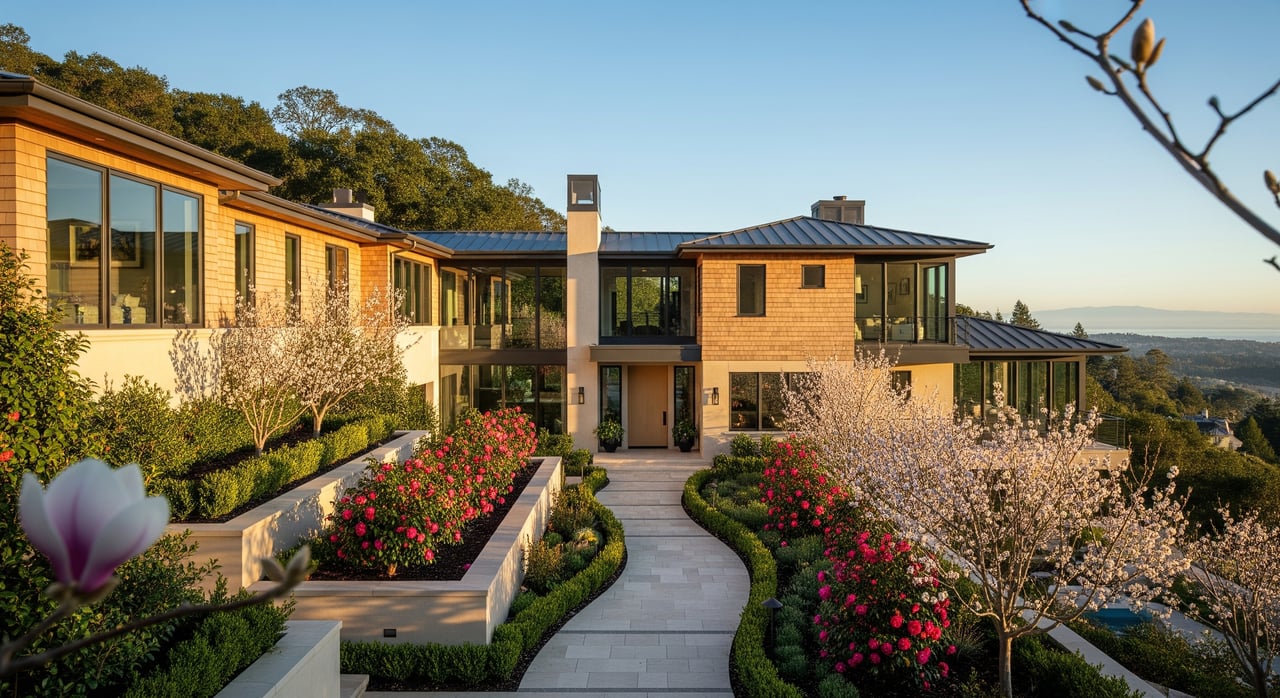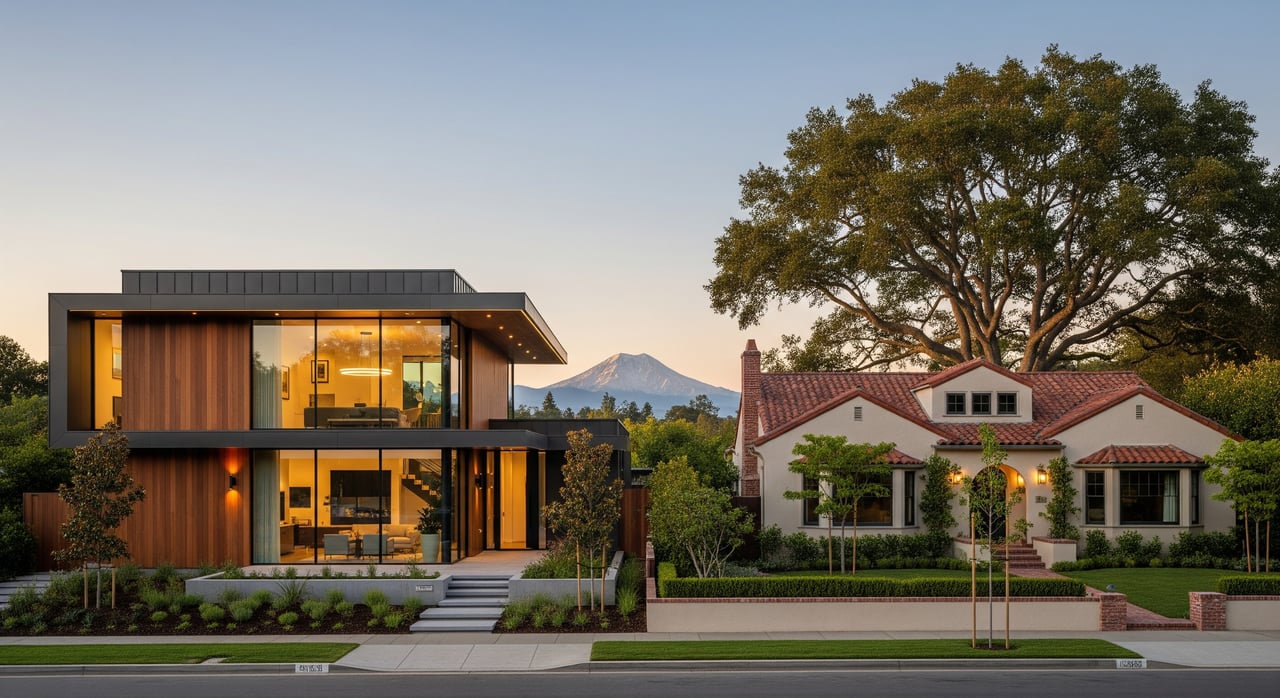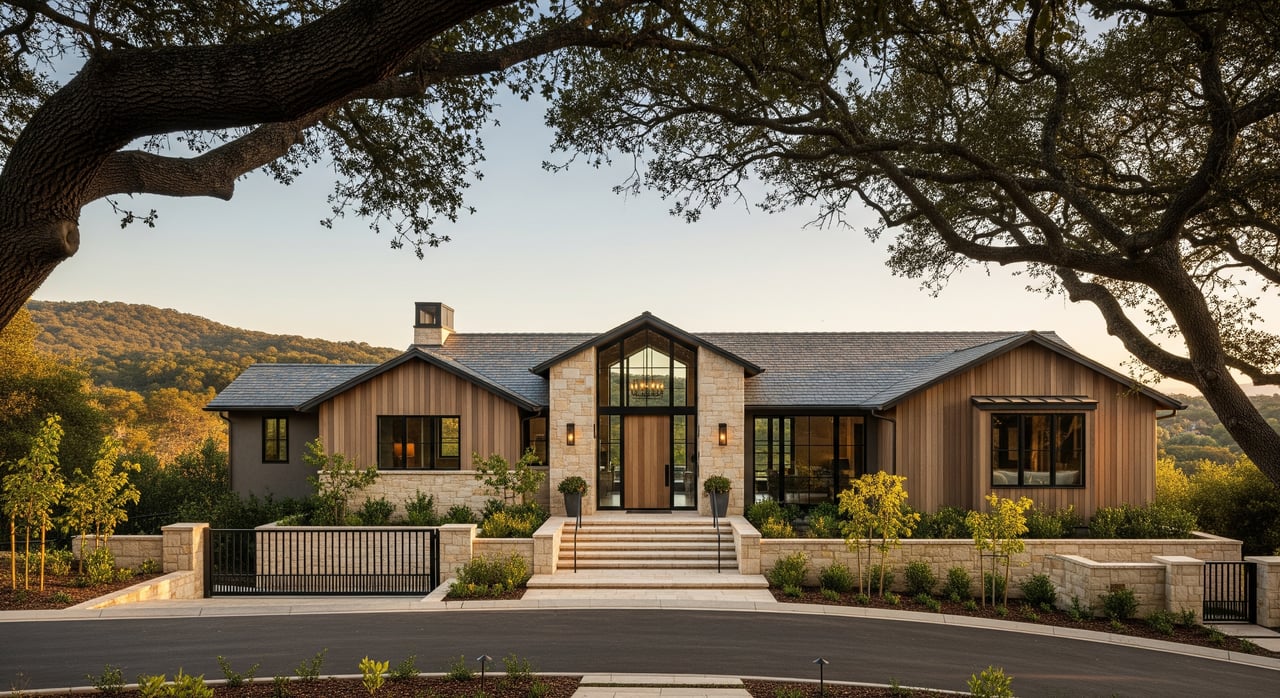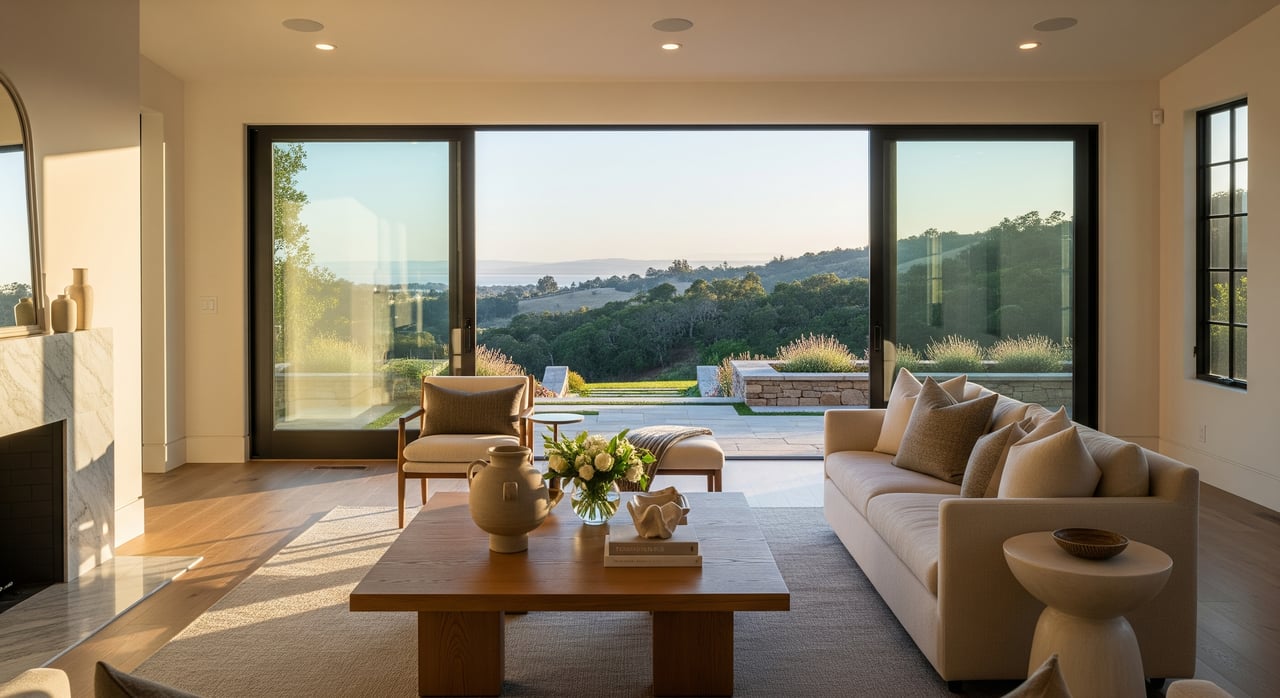
Thinking about selling your Alamo home and wondering where to start? You want a smart price, standout presentation, and a clear timeline that keeps stress low and momentum high. In this guide, you’ll learn how to set your list price with confidence, prepare and stage for maximum impact, and map the steps from pre-list to close. Let’s dive in.
What Alamo buyers want now
Alamo attracts buyers who value space, privacy, and a relaxed suburban feel. Many look for larger lots, outdoor living, and convenient access to East Bay job centers. Public schools in the San Ramon Valley Unified School District are an important factor for some buyers, and timing around the school calendar can influence activity.
Buyers here often prioritize modern kitchens and baths, indoor-outdoor flow, usable yards, and energy-efficient upgrades like solar or EV charging. Turnkey homes tend to draw more interest and may sell faster. High-tier properties can require a longer marketing window and a higher level of staging and presentation.
Price it right from day one
Build a hyper-local CMA
Work with a local agent to create a Comparative Market Analysis that focuses on the last 30–90 days of closed and pending sales in your immediate area. Compare homes with similar lot size, bedroom and bath count, usable square footage, condition, and setting or views. Adjust thoughtfully for features like a pool, renovation level, garage capacity, and lot topography.
Use price-per-square-foot as a benchmark, but avoid relying on it alone. In Alamo, variables like lot size, elevation, and remodel quality create wide swings. Update your CMA the week before you list so you’re aligned with current market signals.
Choose a pricing tactic
Pick an approach that matches market conditions and your risk tolerance:
- Aggressive pricing below value to spark demand. Can create multiple offers, but you must calibrate carefully to avoid underpricing.
- Market-value pricing based on your CMA. Usually generates steady traffic and offers near expected value.
- Overpricing. Often leads to fewer showings, a stale listing, and eventual price cuts.
Discuss list-price banding and buyer search behavior. For example, pricing just below a round number can change how your home appears in search filters. Aim to meet buyers where they are searching.
Watch key market signals
Before you go live, review:
- Active inventory near your price point
- Days on market for comparable homes
- Recent sale-to-list price ratios by price band
If you plan to push price above nearby comps, talk through appraisal risk and potential strategies. Appraisal shortfalls are more likely with aggressive pricing, so plan for how you’ll respond.
Prep and stage for maximum impact
High-impact staging priorities
Focus on the steps that deliver the strongest first impression:
- Curb appeal and landscaping. Trim overgrowth, refresh mulch, clean walkways and driveways, and update house numbers if needed.
- Declutter and depersonalize. Remove excess furniture and personal items to highlight space and flow.
- Deep clean and small repairs. Fix sticky doors, leaky faucets, cracked tiles, and loose hardware. Handle touch-up paint.
- Neutralize interiors. Repaint bold rooms in neutral tones and lighten dark spaces where possible.
- Lighting and windows. Maximize natural light, swap in bright, consistent bulbs, and replace heavy drapes.
- Kitchen and baths. Simple updates like new hardware, fresh grout, and modern fixtures can make these rooms shine.
- Furniture and accessories. Arrange to show function and scale. Stage empty rooms so buyers can imagine daily life.
- Outdoor living. Stage patios, decks, pool areas, and any play or garden zones to emphasize usable space.
When to bring in a pro stager
Higher-priced or vacant homes usually benefit from full professional staging. Homes with unusual layouts often show better with expert furniture placement. For lighter updates, a consultation or partial staging can be enough. Budget ranges vary by scope and property size in the Bay Area, so request 2–3 local bids and build in lead time.
Industry research shows staged homes tend to sell faster and closer to asking price compared with unstaged homes. Presentation matters in Alamo’s price tiers.
Photos, tours, and floor plans
Schedule professional photography after cleaning and staging are complete. Add a floor plan and a virtual or 3D tour to help buyers understand the layout. For larger lots or scenic settings, consider aerial images taken by a licensed drone operator following local regulations.
Special Alamo touches
Highlight features that resonate with local buyers: outdoor kitchens, pool areas, views, lawns and play spaces, updated primary suites, and energy upgrades. If your home includes unique elements like a small vineyard, barn, or outbuilding, create specific marketing notes and images to showcase them.
Your week-by-week timeline
Every sale is unique, but this conservative plan helps you stay organized and on schedule.
Weeks -8 to -4: Plan and repairs
- Get contractor estimates for any larger repairs or upgrades and pull permits if needed.
- Prioritize fixes that affect safety, function, or the buyer’s first impression.
- Align the scope with your expected return and timeline.
Weeks -4 to -2: Prep and paperwork
- Request a current CMA and set a preliminary list price.
- Book your staging consultation and schedule prep work.
- Gather disclosures and property documents, including title info, warranties, and HOA documents if applicable.
- Consider pre-list inspections such as general home and termite to reduce surprises and speed negotiations.
Weeks -2 to 0: Stage and shoot
- Complete cosmetic updates and touch-ups.
- Deep clean the entire property.
- Install staging furniture and accessories.
- Capture professional photos, floor plans, and virtual tour content.
- Finalize MLS remarks and marketing plan, including open houses and showing instructions.
Days 0 to 14: Launch and show
- Go live on the MLS with coordinated marketing.
- Host a broker preview and set open houses.
- Track showing feedback and buyer activity; adjust if needed.
Offer to acceptance: Negotiate
Offers may arrive quickly in active segments or take several weeks in slower conditions. Negotiate price, contingencies, credits, and timing. Discuss appraisal gap approaches, inspection timelines, and occupancy details early.
30–45 day escrow: What to expect
- Buyers typically schedule inspections within the first 7–17 days, per contract terms.
- Appraisal is often completed in the first 2–3 weeks.
- Loan approval can take 21–45 days depending on lender and terms.
- Your role: provide disclosures, allow access, complete any agreed repairs, and coordinate move-out timing.
Closing: The finish line
- Buyers complete a final walkthrough 24–72 hours before closing.
- Funds are sent to escrow, title is recorded, and keys are delivered per contract after recording.
Common delays and backup plans
- Appraisal shortfall. Be ready to discuss price adjustments, buyer cash to cover gaps, or concessions.
- Loan delays. Build in a realistic escrow timeline and buffer for lender requirements.
- Inspection findings. Decide in advance whether you’re more comfortable with repairs or credits.
- Unpermitted work. Disclose known items, consult county records, and plan for negotiation or retroactive permits if needed.
Disclosures and permits in California
Selling in California requires specific disclosures. Expect to complete a Real Estate Transfer Disclosure Statement and a Natural Hazard Disclosure. If your home was built before 1978, include a lead-based paint disclosure. You must disclose known material facts that affect value or habitability, such as structural issues, pest damage, water intrusion, or unpermitted additions. Local ordinances or special assessments should also be disclosed if they apply.
If you’ve made additions or major changes, check for permits with Contra Costa County. Unpermitted work must be disclosed and can affect financing. Options include disclosing and negotiating credits, seeking retroactive permits, or addressing items before listing.
Termite and wood-destroying organism reports are common in the area and sometimes required by lenders. For hillside or special-lot properties, buyers may request geotechnical or foundation evaluations. In California, escrow companies coordinate title and closing, and you will need to deliver clear title and handle any loan payoffs.
If a property is tenant-occupied, showing and notice requirements apply. Alamo is largely owner-occupied, but confirm status early so your timeline remains realistic.
Your seller checklist
- Choose a listing agent with Alamo experience and current MLS access.
- Review a fresh CMA and set pricing strategy with clear market signals.
- Decide on your staging budget and secure bids and scheduling.
- Complete pre-list inspections as appropriate for your home and price tier.
- Gather property documents: permits, warranties, HOA docs, and utility info.
- Map your timeline and book vendors well ahead of listing day.
- Plan for common contingencies, including appraisal and inspection outcomes.
Ready to list with confidence?
A polished listing takes planning, local knowledge, and skilled execution. If you want a high-touch, boutique experience with expert pricing, staging, and marketing for Alamo’s $1M–$3M+ market, reach out to schedule your next steps with Liz Gallagher. Get a personalized plan, current comps, and a smooth path from launch to close.
FAQs
How should I price my Alamo home?
- Build a current CMA using nearby closed and pending sales, consider list-price banding, and update it the week before listing to reflect real-time market signals.
What staging delivers the best ROI in Alamo?
- Focus on curb appeal, decluttering, deep cleaning, neutral paint, bright lighting, and light kitchen-bath updates; bring in full professional staging for higher-priced or vacant homes.
When is the best time to list in Alamo?
- Late spring and early summer often align with buyer demand tied to the school calendar, though your optimal timing should match current inventory and your prep timeline.
How long does it take from listing to close?
- Many homes receive strongest interest in the first 7–14 days, with escrow commonly 30–45 days after acceptance, depending on contingencies and lender timelines.
What disclosures are required to sell a home in California?
- Expect a Transfer Disclosure Statement, Natural Hazard Disclosure, lead-based paint disclosure for pre-1978 homes, and full disclosure of known material facts, plus local items if applicable.