Choosing the perfect paint tones for every room in your home can transform your living space, creating an atmosphere that reflects your personal style and enhances the overall aesthetic. The right color can make a room feel larger, cozier, or more inviting, depending on your goals. With so many options available, selecting the ideal paint tones can be overwhelming. However, with expert insights and thoughtful consideration, you can navigate this process with confidence.
Understanding Color Psychology
Color psychology plays a significant role in how we perceive and feel in a space. Different colors can evoke various emotions and set the tone for a room. For instance, blues and greens are often associated with calmness and tranquility, making them ideal for bedrooms and bathrooms. Warm colors like reds and oranges can energize a space, perfect for social areas like living rooms and kitchens. Understanding the psychological impact of colors can guide your choices and help you create the desired mood in each room.
Considering Natural Light
Natural light significantly influences how paint colors appear in a room. A color that looks perfect in a well-lit showroom might appear completely different in a dimly lit space. Rooms with ample natural light can handle darker or more vibrant colors, while spaces with limited light might benefit from lighter tones to prevent them from feeling closed in. Observing how light changes throughout the day in each room can help you select colors that will look great at any time.
Complementing Existing Décor
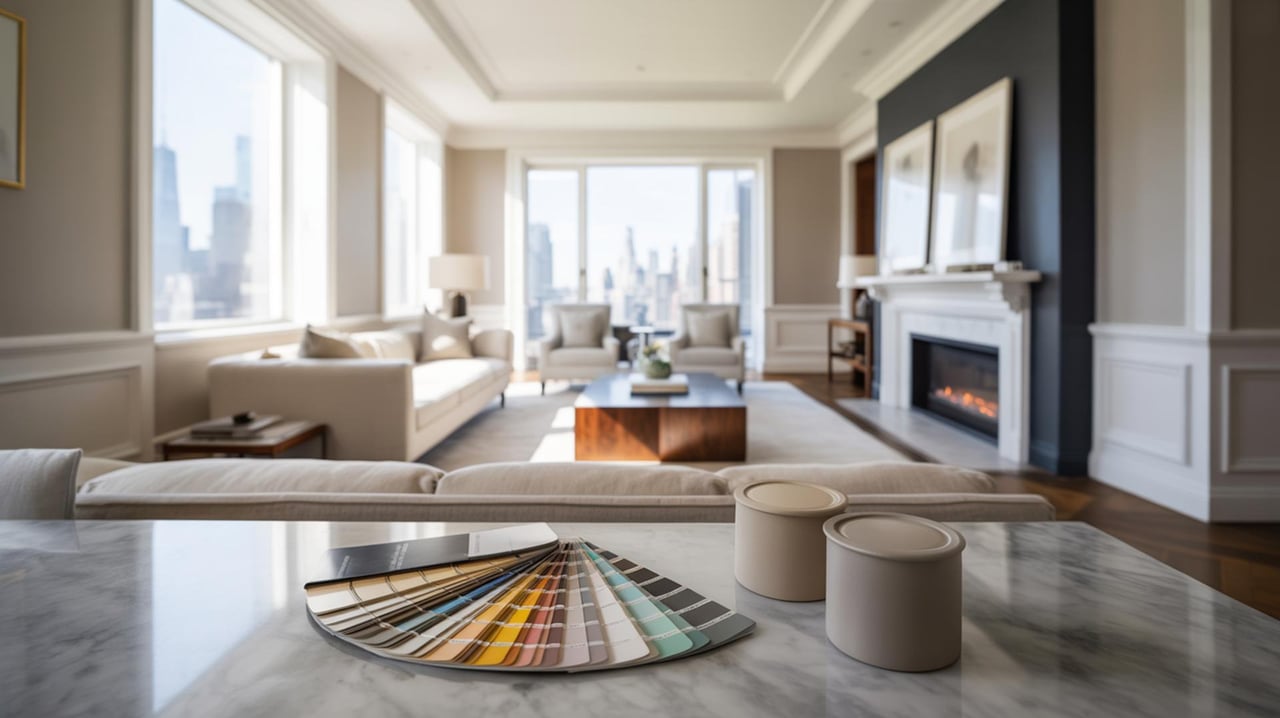
When choosing paint tones, it's essential to consider your existing décor. The color of your walls should complement your furniture, artwork, and accessories. Neutral tones like grays, whites, and beiges are versatile and can work with a variety of styles, while bold colors can make a statement and highlight specific elements in your décor. Taking an inventory of your current furnishings can help you choose a color palette that enhances your overall design.
Testing Paint Samples
Before committing to a color, testing paint samples is crucial. Paint a small section of the wall or use sample boards to see how the color looks in the room. This allows you to observe the color in different lighting conditions and against your furnishings. Testing samples can prevent costly mistakes and ensure that the color you choose is the perfect fit for your space.
Using Accent Walls
Accent walls are an excellent way to introduce bold colors without overwhelming a room. By painting one wall in a different shade, you can create a focal point and add visual interest. Accent walls work well in living rooms, bedrooms, and dining areas, where they can highlight architectural features or draw attention to specific areas. Selecting a complementary color for your accent wall can enhance the overall harmony of the room.
Considering Room Function
The function of a room should influence your color choices. For example, a home office might benefit from colors that promote concentration and focus, such as soft blues or greens. In contrast, a dining room might be more suited to warm, inviting tones that encourage conversation and appetite. Tailoring your color choices to the purpose of each room can enhance its functionality and comfort.
Balancing Bold and Neutral Tones
Finding the right balance between bold and neutral tones can create a cohesive and harmonious look throughout your home. While bold colors can add personality and flair, too many can make a space feel chaotic. Neutral tones can provide a calming backdrop and allow bold accents to shine. Striking the right balance ensures that your home feels both dynamic and serene.
Considering Ceiling and Trim Colors
Ceiling and trim colors are often overlooked but play a crucial role in the overall aesthetic of a room. A white or light-colored ceiling can make a room feel taller and more open, while a darker ceiling can add coziness and intimacy. Trim colors can either blend seamlessly with the walls or provide a contrasting frame that highlights architectural details. Choosing complementary ceiling and trim colors can enhance the overall design and cohesion of your space.
Staying True to Personal Style
Ultimately, the colors you choose should reflect your personal style and preferences. While trends can offer inspiration, your home should be a reflection of your tastes and personality. Whether you prefer classic neutrals, vibrant hues, or a mix of both, staying true to your style ensures that your home feels authentic and comfortable.
Seeking Professional Advice
If you're uncertain about your color choices, seeking professional advice can be invaluable. Interior designers and color consultants have the expertise to guide you through the selection process, offering insights into color combinations, trends, and techniques. Their experience can help you achieve a polished and cohesive look that aligns with your vision.
Transform Your Space with the Right Paint
Choosing the perfect paint tones can truly transform your home, making each room feel just right. With these expert tips, you're now equipped to create a harmonious and inviting atmosphere throughout your space. Remember, the right color can make all the difference in how a room feels and functions. If you're in need of personalized advice or further assistance, don't hesitate to reach out to Liz Gallagher for expert guidance tailored to your needs.